


Today, the problem of varicose veins is relevant, since one in four people faces this disease, which is accompanied by severe symptoms and often leads to a dangerous complication - thrombophlebitis.This article will introduce you to highly effective ways to treat and prevent varicose veins.
Varicose veins: causes and symptoms
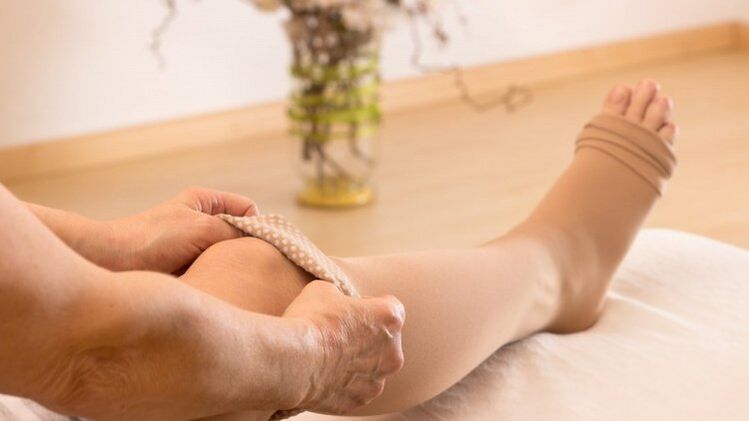
Varicose veins cause interference with the function of blood vessels that carry blood to the heart.The disease mainly occurs in women over 30 years old.Due to deformed veins and closed valves, blood cannot circulate properly, resulting in impaired blood flow to the heart.
The following factors may be prerequisites for the occurrence of vascular pathological processes:
- Genetic predisposition.If a parent has varicose veins due to inferior valves and weak blood vessel walls, in 70% of cases the child will inherit the disease.
- obesity.Being overweight increases the risk of varicose veins by 35% because heavy loads disrupt normal blood flow in the leg veins.
- Pregnant.The enlarged uterus and large amounts of circulating blood compress the retroperitoneal veins, causing varicose veins.
- Hormonal changes.Because hormonal imbalances weaken the muscular system and blood vessels, the risk of developing varicose veins increases.
- lifestyle.Limiting physical activity (hypokinesis) or remaining in a static position for long periods of time can negatively affect blood flow.
In addition, an unbalanced diet deficient in crude fiber may trigger varicose veins, leading to atypical changes in the structure of the vein walls.The possibility of contracting the disease due to compression of blood vessels by wearing shapewear, constant stress, alcohol abuse, smoking and leg injuries cannot be ruled out.
Symptoms depend on the stage of the disease.Even before visual symptoms appear, you may feel a heaviness in your legs, which is normal due to fatigue.As varicose veins progress, many noticeable symptoms are observed: pain in the legs, swelling and cramping at night, darkening of the skin of the legs, the appearance of compaction, telangiectasia (spider veins), enlargement of local veins in the legs, itching of the skin, indicating an impending nutritional imbalance.Severe varicose veins can be associated with dizziness, hyperthermia, venous nodule bleeding, thrombophlebitis, trophic ulcers, and venous thrombosis.
Treatment of varicose veins in legs
Before treating varicose veins, the following diagnostic procedures are required: Ultrasound scan of the leg veins (ultrasound and Doppler) and dual vascular scan, rheoangiography.After diagnosis, depending on the stage of the pathological process, the phlebologist may prescribe:
- Surgery using microsurgical techniques.If severe varicose veins are present, phlebectomy is performed - using a minimally invasive method to remove the affected veins.Veins can also be coagulated using laser or radiofrequency.Incipient varicose veins are treated with photocoagulation, and spider veins are removed with laser.
- Sclerotherapy involves injecting drugs into dilated veins to glue the vein walls together.In this case, the patient wears compression stockings for about 2 months to create tight adhesions.
- Conservative treatment includes intravenous injections, antiplatelet agents, antioxidants, anticoagulants and other drugs.This method is suitable in the preoperative phase and in cases where surgical removal of the vein is not possible.
During treatment and for a month after surgery, doctors recommend not lifting heavy objects, wearing compression stockings and elastic bandages, and reducing allostatic load.When the first symptoms of varicose veins appear, you need to contact a phlebologist to avoid the development of pathological processes leading to serious complications.
disease prevention

In order to prevent the associated pathologies and relieve the first symptoms, it is necessary to observe the basic rules of prevention:
- Exercise regularly, swim and be active.An active lifestyle helps strengthen vein walls and improves blood circulation.
- Avoid excessive hot baths, sun exposure, and saunas.Excessive heat can reduce the tone of the leg veins and cause blood to stagnate.
- Quitting bad habits is an effective way to prevent varicose veins.Many cardiovascular diseases are associated with unlimited drinking and smoking.
- Warm up during work involving constant static loads.For example, if your professional activities require you to sit in front of a computer frequently, you could walk in place, squat, and stretch your feet for 10 minutes every hour.
- Wear comfortable, non-tight clothing to avoid squeezing leg veins and disrupting blood circulation.In addition, it is not advisable to wear shoes with heels exceeding 5 cm every day.
- Try to maintain a normal weight or normalize it through diet.
- Take a contrast shower to improve circulation and massage thighs, calves and feet.When lying down, often raise your legs 15 cm above your body.
Eating a balanced diet is also a great way to prevent varicose veins.To avoid disorders of blood flow in veins and blood vessels, it is necessary to include fiber-rich foods in the diet and limit salt intake.For those at risk, experts recommend eating more radish, raspberry, carrot, rice, wheat and buckwheat porridge.In general, the development of varicose veins can be avoided even if there is a genetic predisposition if all preventive rules are followed.